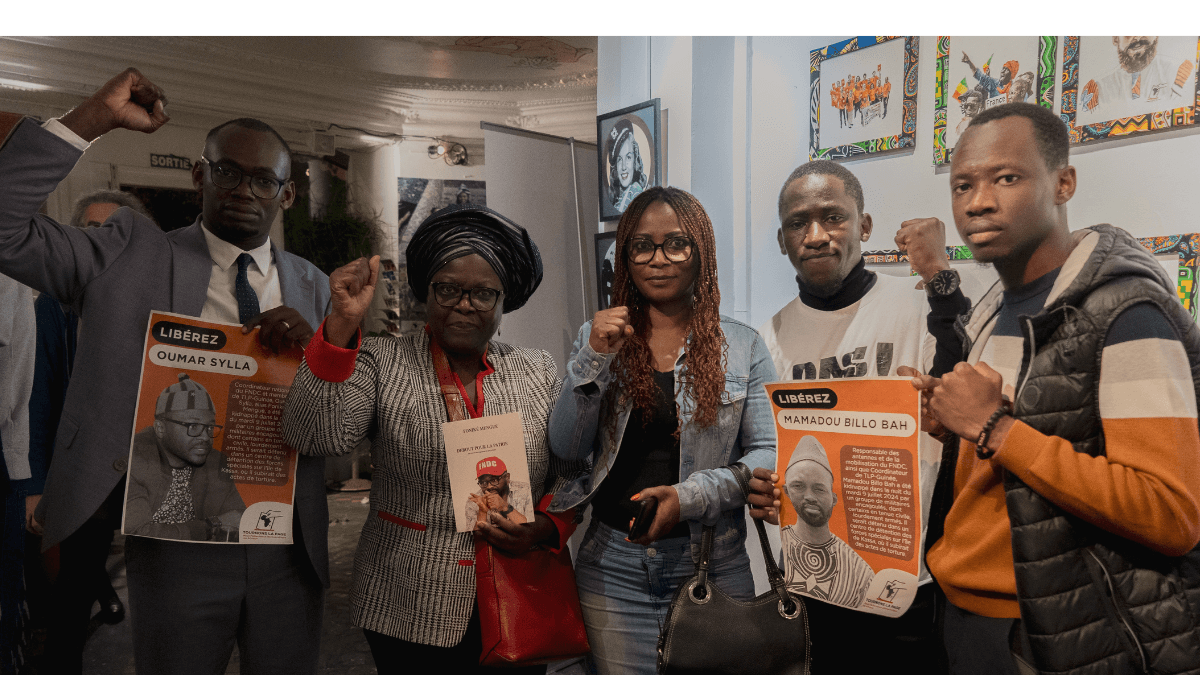
5 questions to understand the mobilisation
1.
Why this movement?
In many African countries, people feel held hostage by the powers that be. 90% of people in Gabon, Togo and Equatorial Guinea have only known one family at the head of state! Since 2015, many sitting presidents who have reached the age limit or the end of their term of office have been trying to reform the Constitution in order to stay in power (Congo, Rwanda, Burundi, Guinea, Côte d'Ivoire, etc.).
Since 2000, thirteen African heads of state have amended their constitutions to remain in power, but the people of these countries do not see it that way. Protests are spreading across the continent.
Citizens' movements (Y'en a marre, Balai Citoyen, Ras-le-Bol, Ca suffit, Iyina, etc.) are joining forces with rights NGOs, trade unions and faith-based organisations to defend the right to freely choose their leaders. The 2015 Afrobarometer survey of 30 countries revealed that the vast majority of Africans were in favour of limiting presidential terms to two. This is the opinion of the majority, even in countries that have never had term limits, or have eliminated them, which calls into question the assertion of incumbent leaders that their campaigns to stay in power reflect the popular will. In this confrontation with power, people sometimes take great risks. But we don't talk about it enough. For us, it is time for a new alliance between the citizens of Africa, Europe and elsewhere, for a new stage: obtaining and keeping alive democratic change.
2.
Isn't there a risk that alternation will plunge the countries concerned into chaos?
The invocation of political stability and the artifice of the fight against the terrorist threat must not be an illusion. Experience everywhere has shown that respect for democratic rules is the best antidote to political instability, armed conflict and terrorism. It is the solidity of institutions that guarantees stability, not the durability of personal power.
According to the African Centre for Strategic Studies, of the 21 African countries that have retained term limits in their constitutions, heads of state have only been in power for an average of 4 years. In contrast, the average term of office of the 10 African leaders who have avoided term limits is 22 years. The abolition of term limits undermines public confidence, increases the concentration of power in the hands of a single individual or a handful of individuals and thus reduces political space. This trend ultimately leads to increased risks of tension, political violence and even civil conflict.
3.
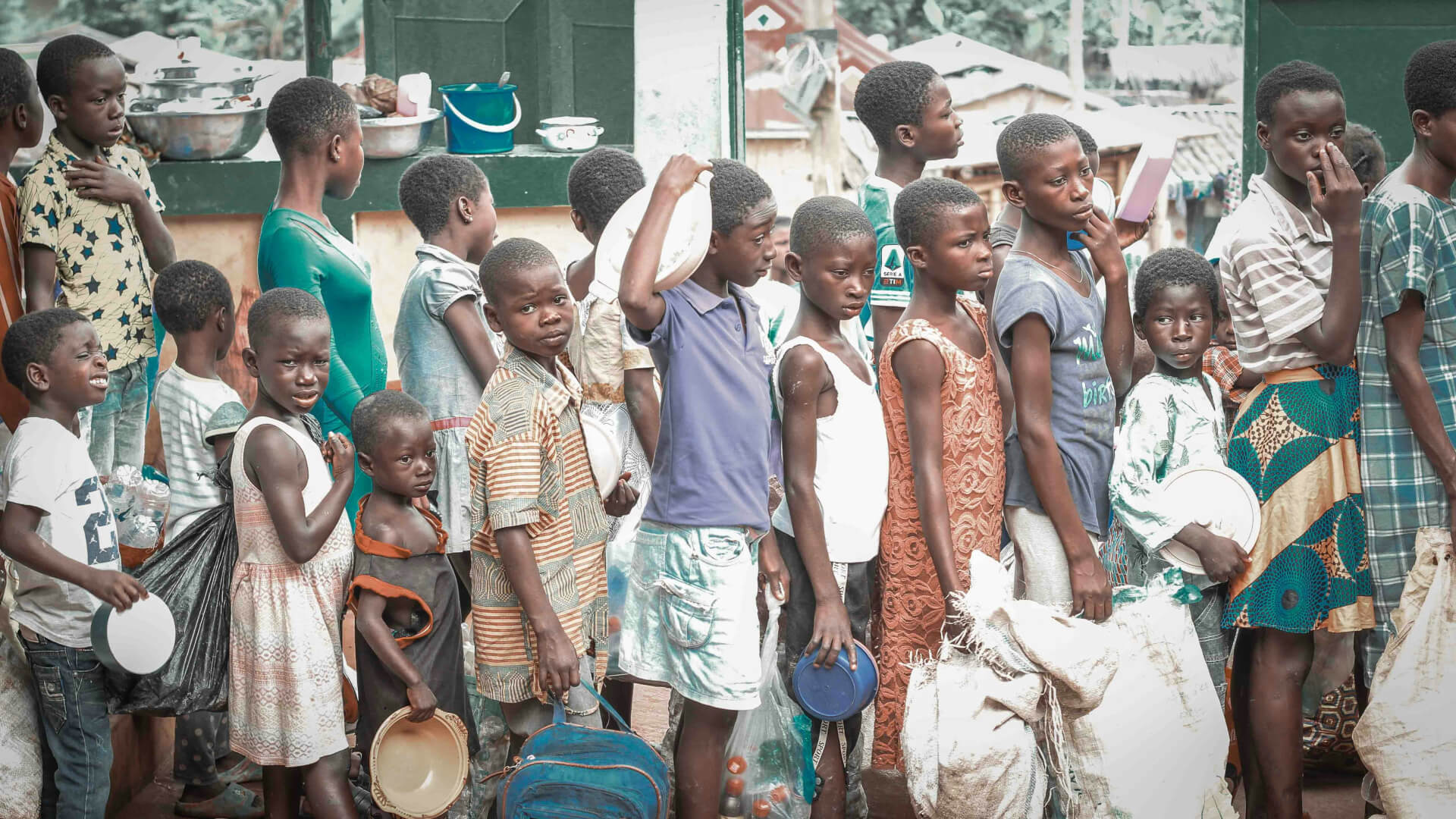
Alternation all right, but then what? If nothing changes in the way power is exercised?
For the word ‘alternance’ to have any meaning, we need to give it content. Our aim is to contribute to a change of governance, not just a change of regime or people.
It is up to each people to define it according to its own history, culture and creative imagination. But certain measures could anchor a genuine alternation that would bring democracy:
Transparency over the state budget, contracts with multinationals and revenues from the exploitation of natural resources
Respect for republican standards in appointments to positions of command in the army and the police
Freedom of opinion, of the press and of demonstration without any condition other than that of informing the administrative authority.
Appointment of judges independent of political power
4.
Who is behind this movement?
The original idea of launching an international campaign to defend and promote change in Africa came from civil society players in the Congo. The founding appeal was the result of a meeting between associations and intellectuals from Africa (Senegal, DRC, Congo, Cameroon, Gabon, Burkina Faso, etc.) and Europe (France, Belgium, etc.). A Senegalese historian is the main author. The first signatories are mainly from Africa (17 countries) and Europe (6 countries): over 100 associations and trade unions; around fifty intellectuals and artists (including Achille Mbembe, Edgar Morin, Valentin-Yves Mudimbe, Eva Joly, Bertrand Badie, Olivier de Schutter, Pierre Rosanvallon, Abderrahmane Sissako, Monique Chemillier-Gendreau, Smockey, Noam Chomsky, etc.). Today, the movement has 250 member organisations and has governing bodies elected by its activists.
5.
In concrete terms, what are we waiting for? What are we doing?
We call for :
- a broad-based rally to turn the page on authoritarian regimes and build the conditions for genuine democracy in Africa". All associations, trade unions, personalities and ordinary citizens in Africa and Europe can join us. can join us;
- the international media to highlight this situation and the repression to which defenders of rights and democracy in these countries may be subjected;
- the leaders in power, who "have a date with history", to leave by the front door, respecting the Constitution and the Charter of the African Union;
- European leaders to make "constitutional coups" and the refusal of democratic changeover a new red line in international diplomacy and to open the doors of their embassies to democracy activists. Europe would be betraying its interests and values if its silence were to condone the perpetuation of archaic regimes south of the Sahara.
We are working in 4 main areas
1
Social mobilisation and civic education
2
Advocacy and communication
3
Training activists and strengthening organisations
4
Protection of activists
Make a donation