Tue 12 Jul 2022
Article
In Chad, to succeed in politics, one must go through armed rebellion
As part of our campaign for democracy and human rights in Chad, Tournons la Page and Agir ensemble pour les droits humains are offering a series of articles aimed at better understanding the mechanisms by which a military oligarchy has seized power, from independence to the present. The first part is devoted to the army, an intrinsic component of political life.
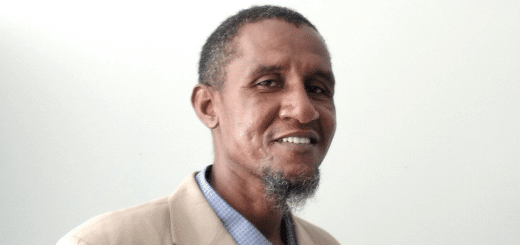
Interview with Dr. Sali Bakari, a teacher-researcher in the History Department of the Ecole Normale Supérieure in N'Djamena and a specialist in security issues in the Lake Chad region.
Questions answered in the article:
- Question 1 : How and when did the army become an intrinsic component of Chad's political life?
- Question 2 : What are the characteristics of these links between civilian and military power in Chad?
- Question 3 : Why is there an imbalance between the DGSSIE and the regular army? What are the consequences?
- Question 4 : What do you think this financial arbitration reveals? And what are the consequences on the societal level?
- Question 5 : Has the Déby regime relied on the paradoxes of the army to preserve its survival?
- Question 6 : Why has Idriss Déby failed to make the army national, meritocratic, and representative of regional and ethnic diversity, despite his announcements?
- Question 7 : What benefits did Idriss Déby gain from this military diplomacy?
- Question 8 : In the name of the fight against jihadism in the region, have France and the United States turned a blind eye to the dysfunctions of this army, which is marked by abuses, human rights violations and corruption?
- Question 9 : Doesn't this mode of governance and this choice of semantics suggest a continued intertwining of military and civilian power?
- Question 10 : Beyond the transition and the national dialogue, what are the future challenges in the military field?